

Québec Regions
-

Montréal
Montréal is home to the largest concentration of English speakers in the province. Their success is synonymous with the region's economic vitality.
-

Outaouais
Outaouais has one of the highest percentages of English speakers in the province. Unlocking this workforce's potential is vital to the region's economic success.
-
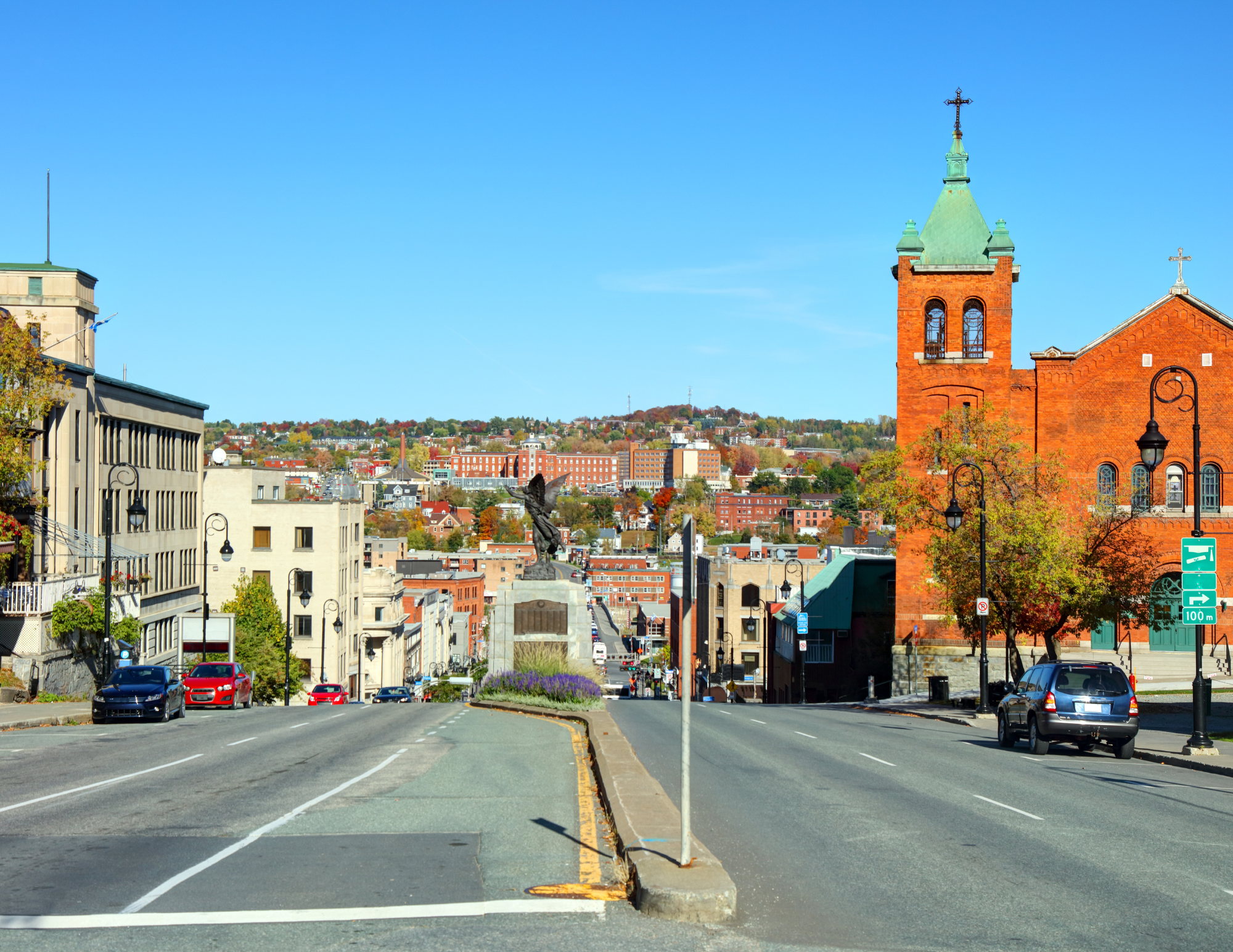
Estrie
Estrie is home to a significant English-speaking community representing over 8% of the region’s workforce. Their success is synonymous with the region's economic vitality.
-
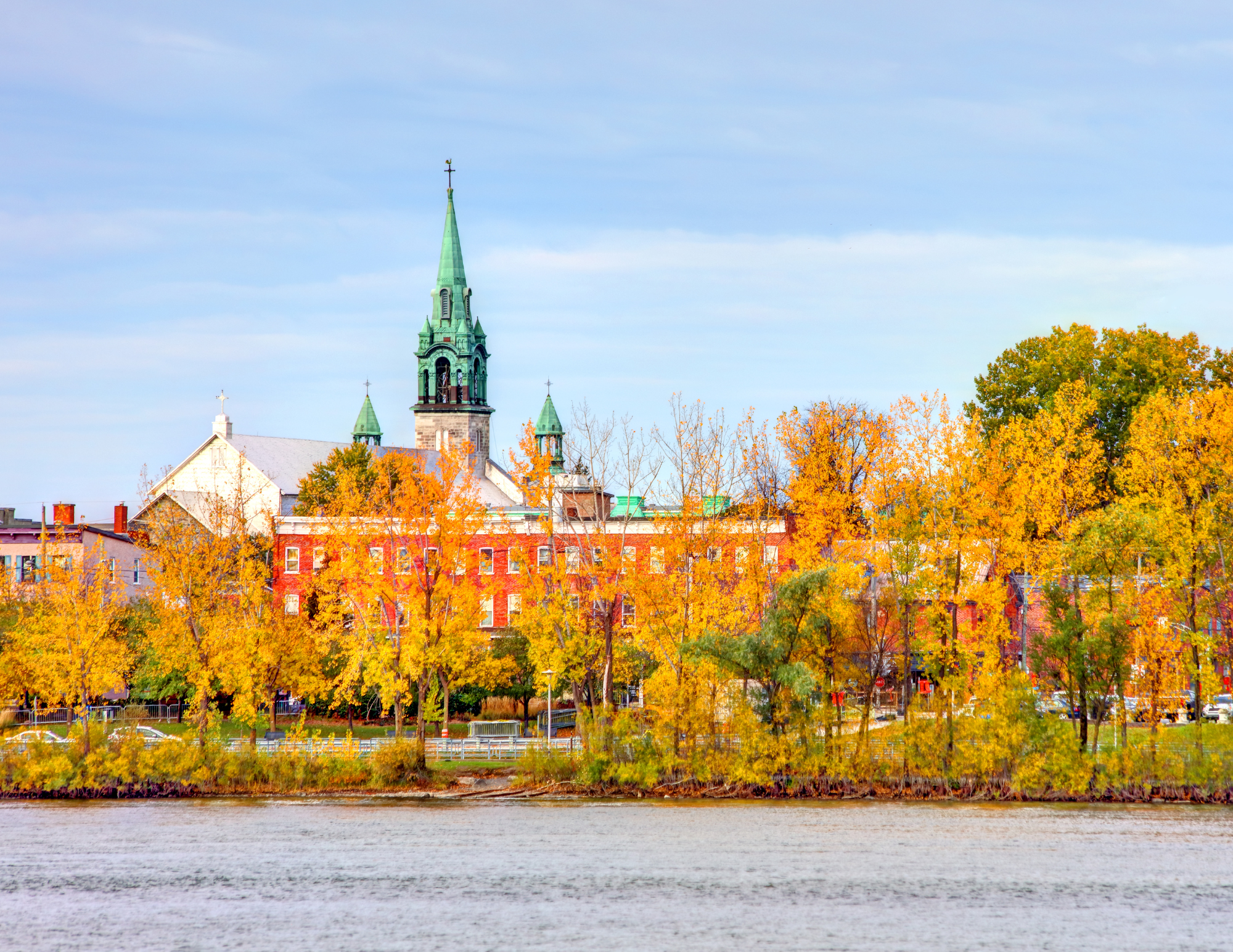
Montérégie
Montérégie is home to over 100,000 English-speaking workers who face elevated unemployment. Unlocking this massive workforce's economic potential is vital to the region's overall prosperity.
-

Gaspésie–Îles-de-la-Madeleine
Gaspésie–Îles-de-la-Madeleine is home to a distinct English-speaking community facing severe structural underemployment and high seasonal reliance. Unlocking this community's potential is vital to the region's economic success.
-

Capitale-Nationale
Capitale-Nationale is home to a highly active English-speaking workforce that faces growing income disparities and qualification recognition barriers. Their success is synonymous with the region's economic vitality.
-
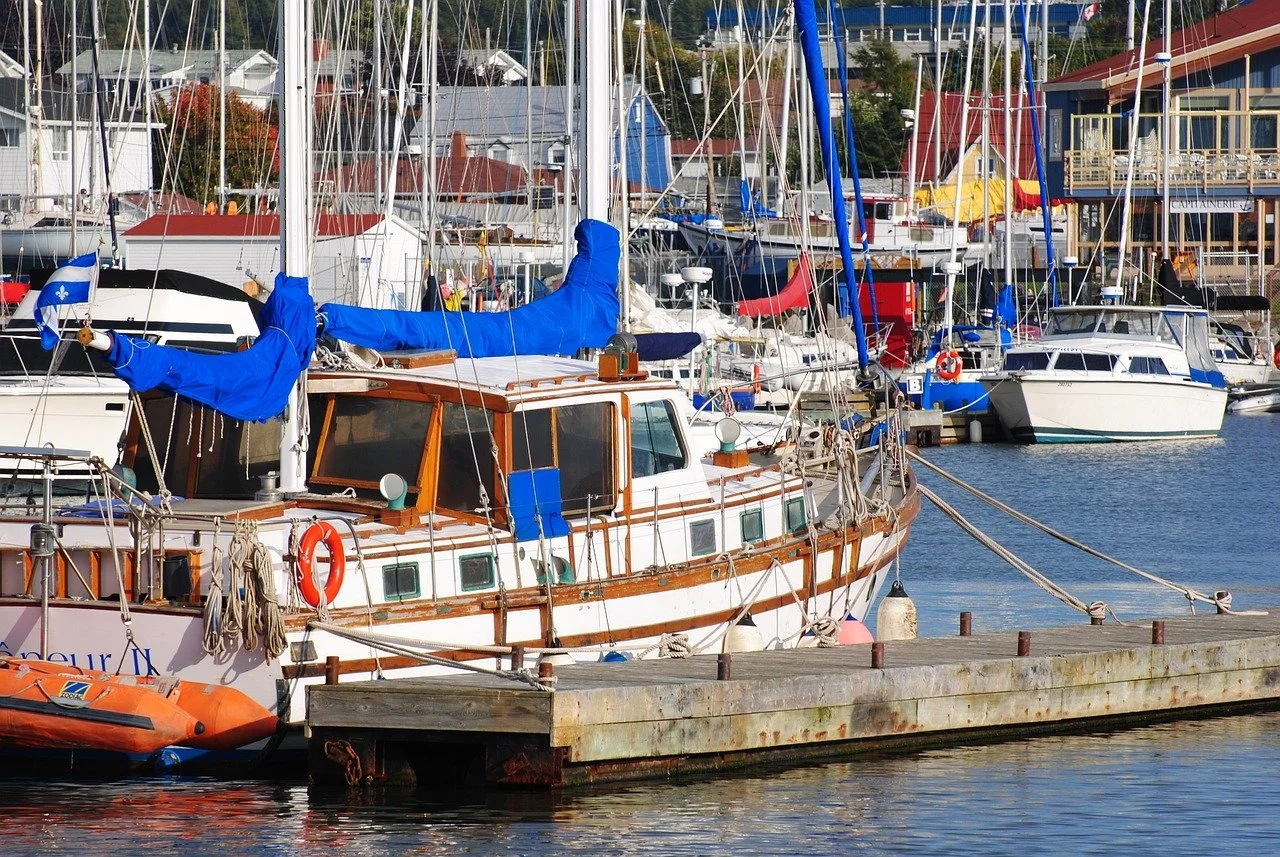
Bas-Saint-Laurent
Bas-Saint-Laurent is home to an English-speaking workforce facing high job precarity and notable wage disparities.
-
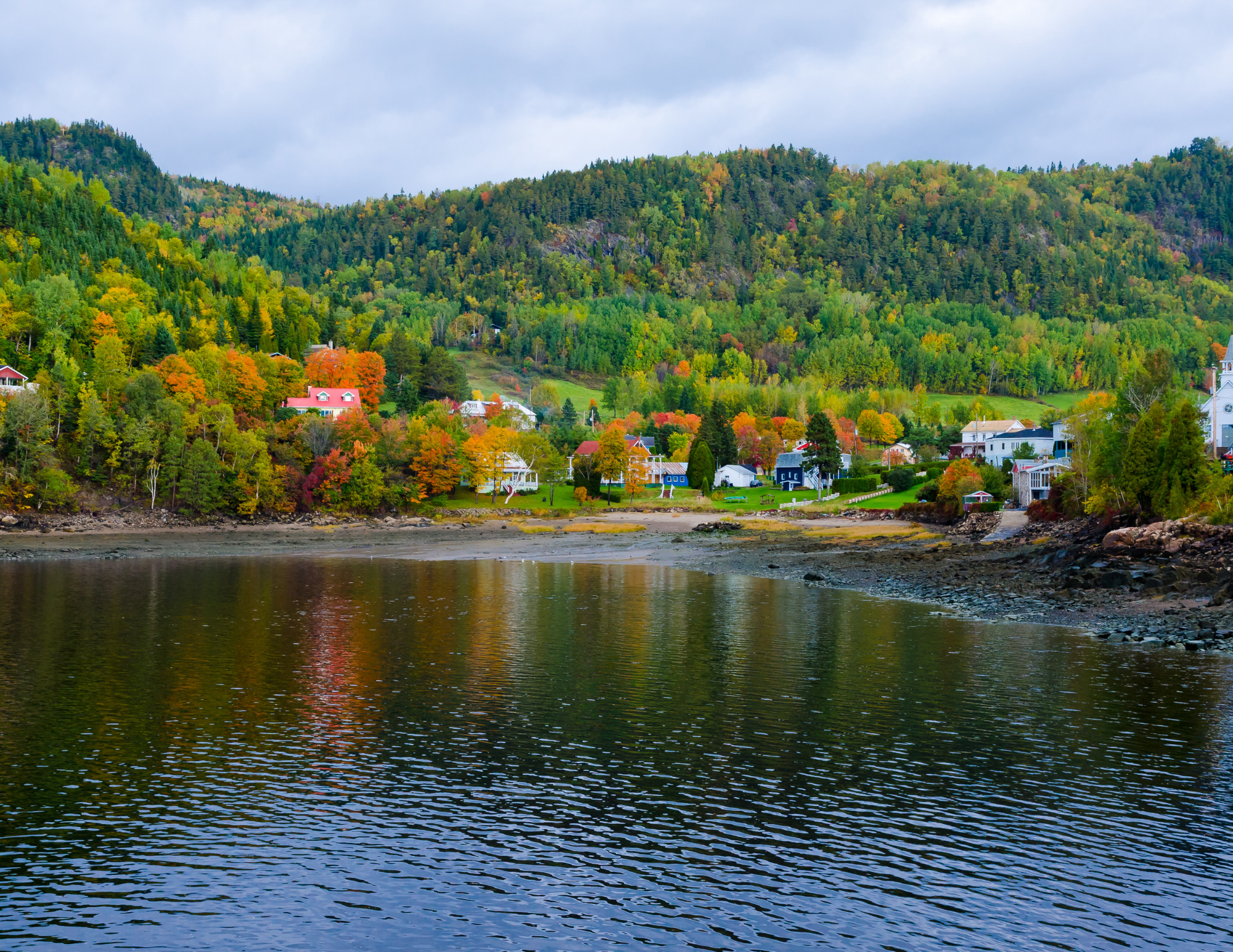
Saguenay
Saguenay–Lac-Saint-Jean is home to a highly engaged English-speaking workforce that faces steep linguistic barriers and high outmigration.
-
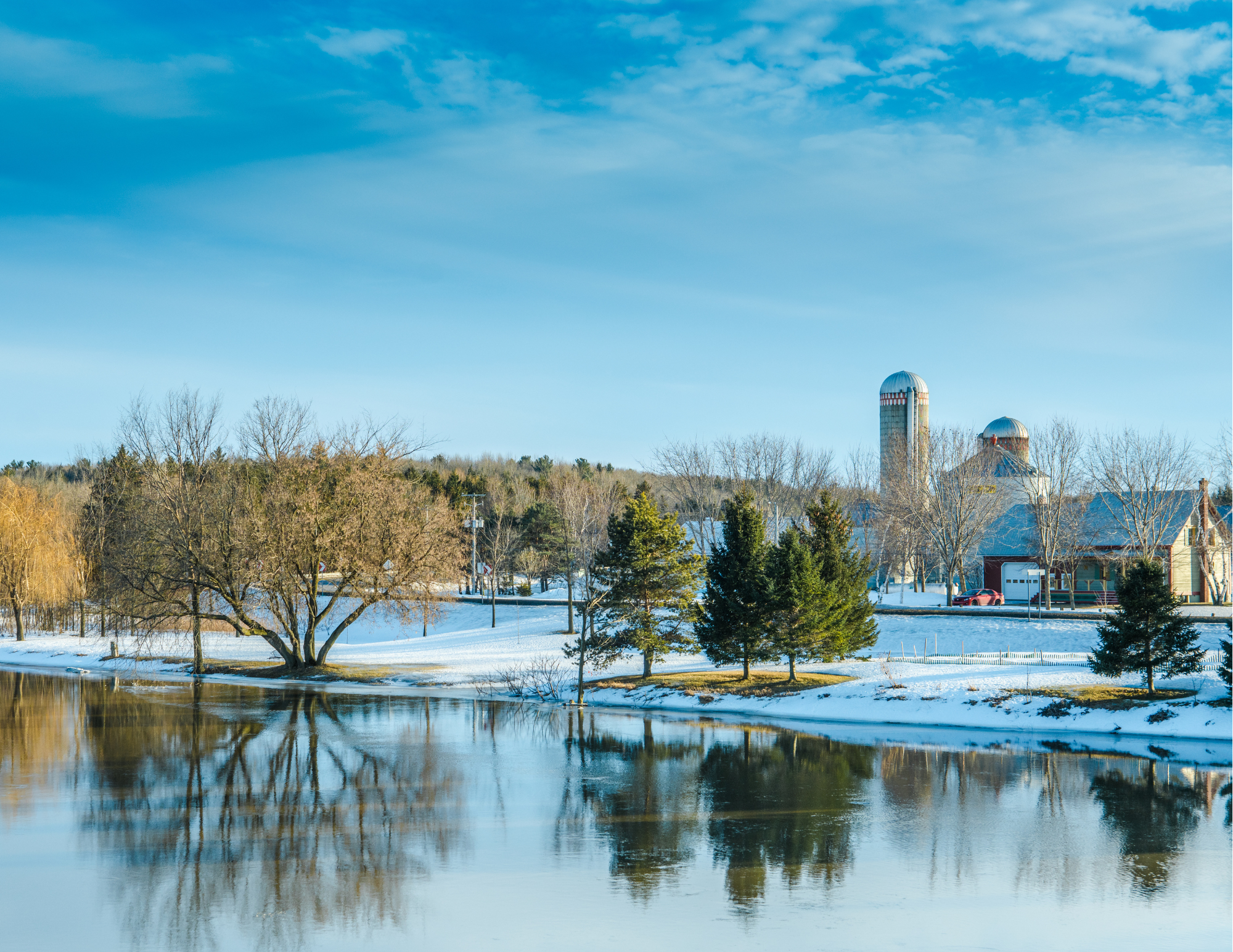
Mauricie
Mauricie is home to an educated English-speaking workforce facing sharp youth unemployment and ongoing brain drain.
-
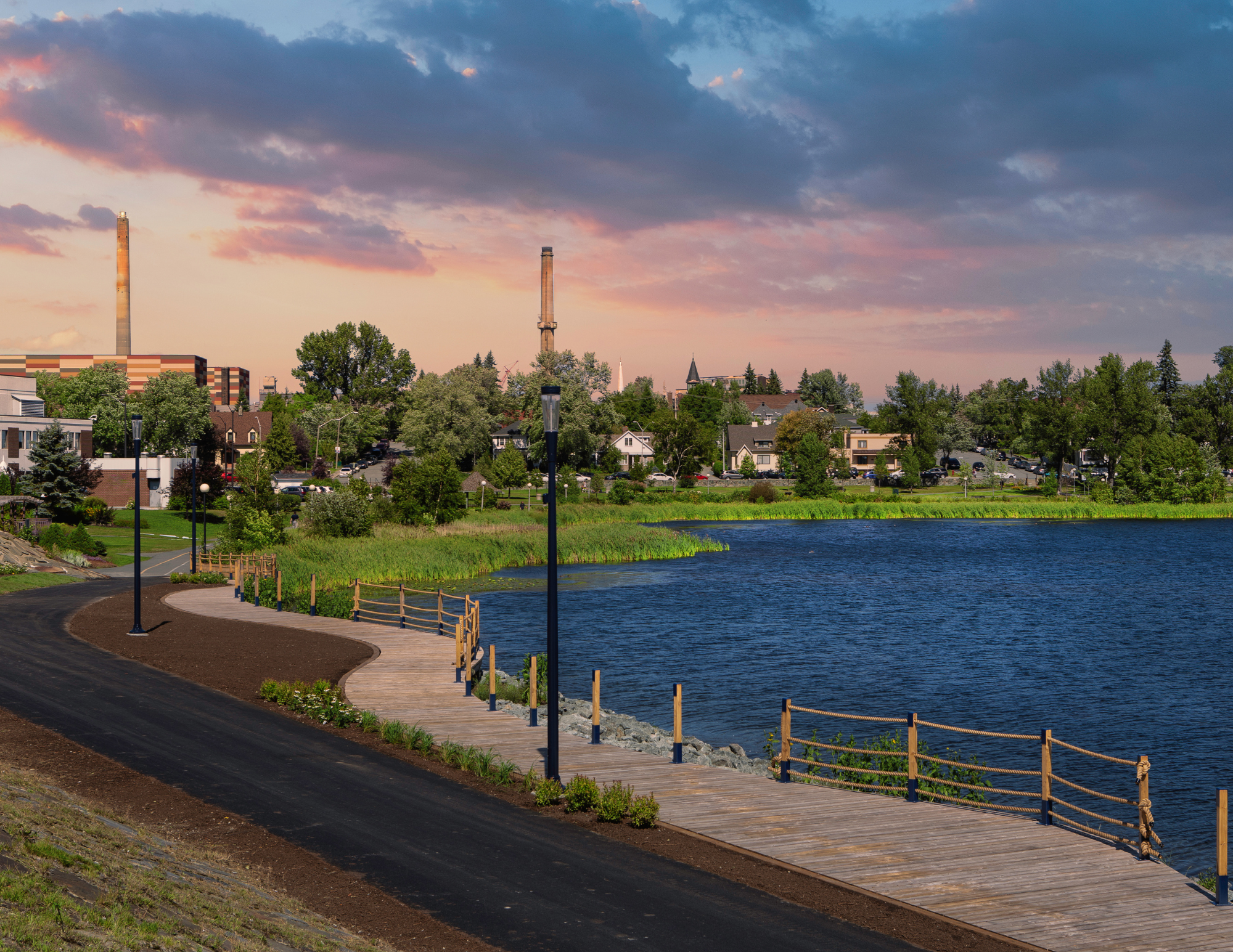
Abitibi-Témiscamingue
Abitibi-Témiscamingue is home to an English-speaking workforce facing notable educational barriers, significant wage gaps, and limited regional training opportunities.
-
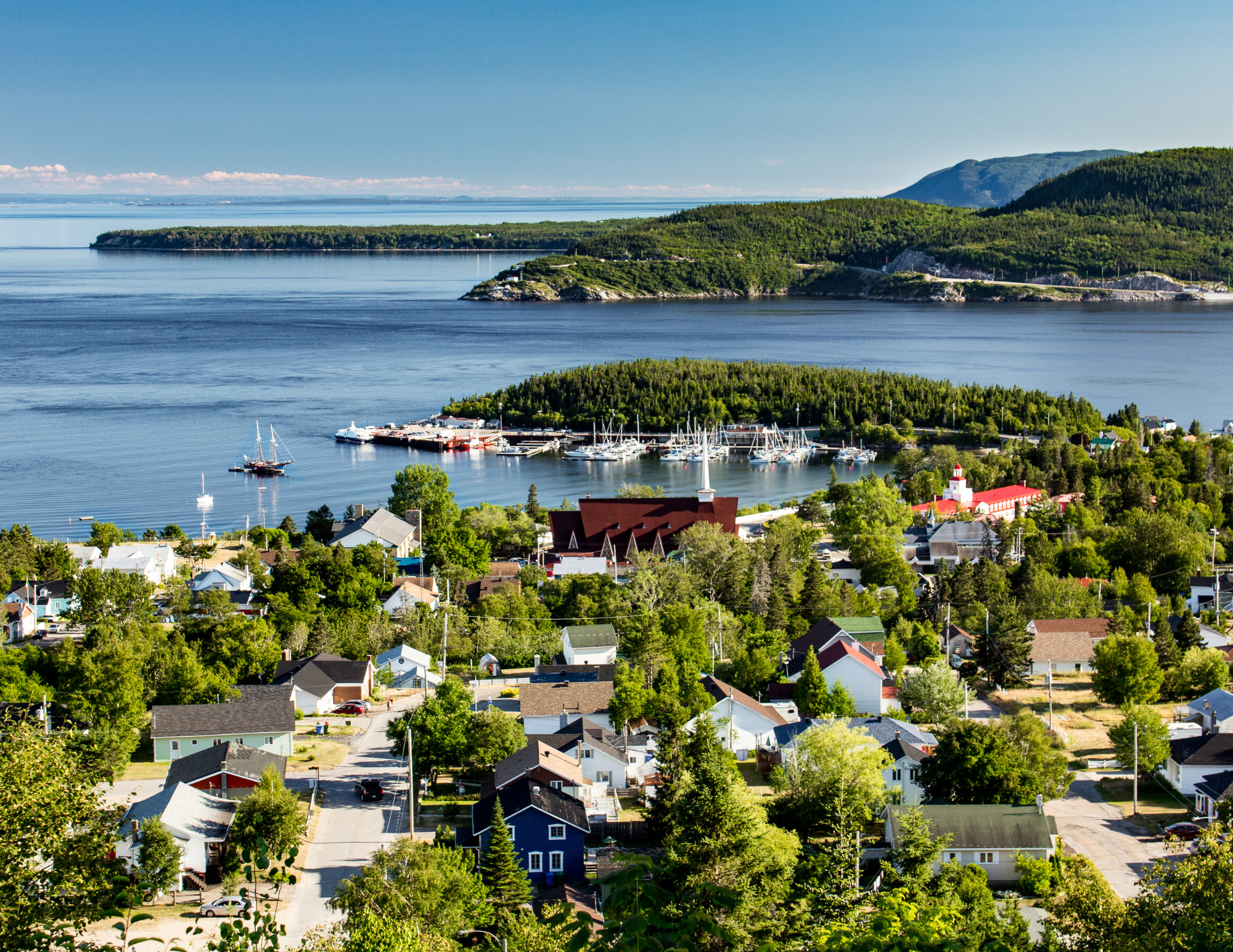
Côte-Nord
Côte-Nord is home to an English-speaking workforce facing a severe 18% unemployment rate, deep income disparities, and high job precarity.
-
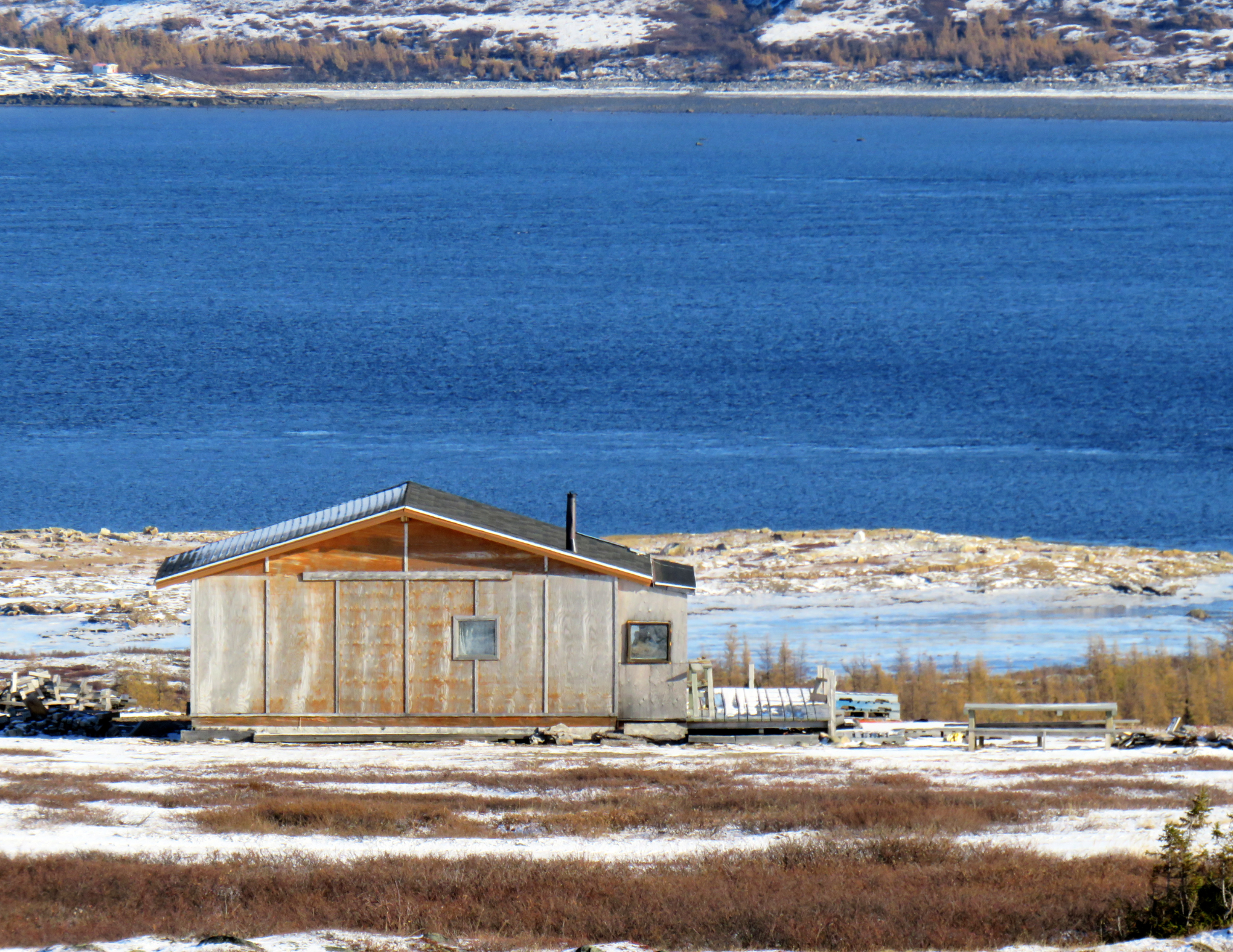
Nord-du-Québec
Nord-du-Québec is home to a predominantly Indigenous English-speaking workforce facing severe geographic isolation, high unemployment, and steep income disparities.
-
Chaudière-Appalaches
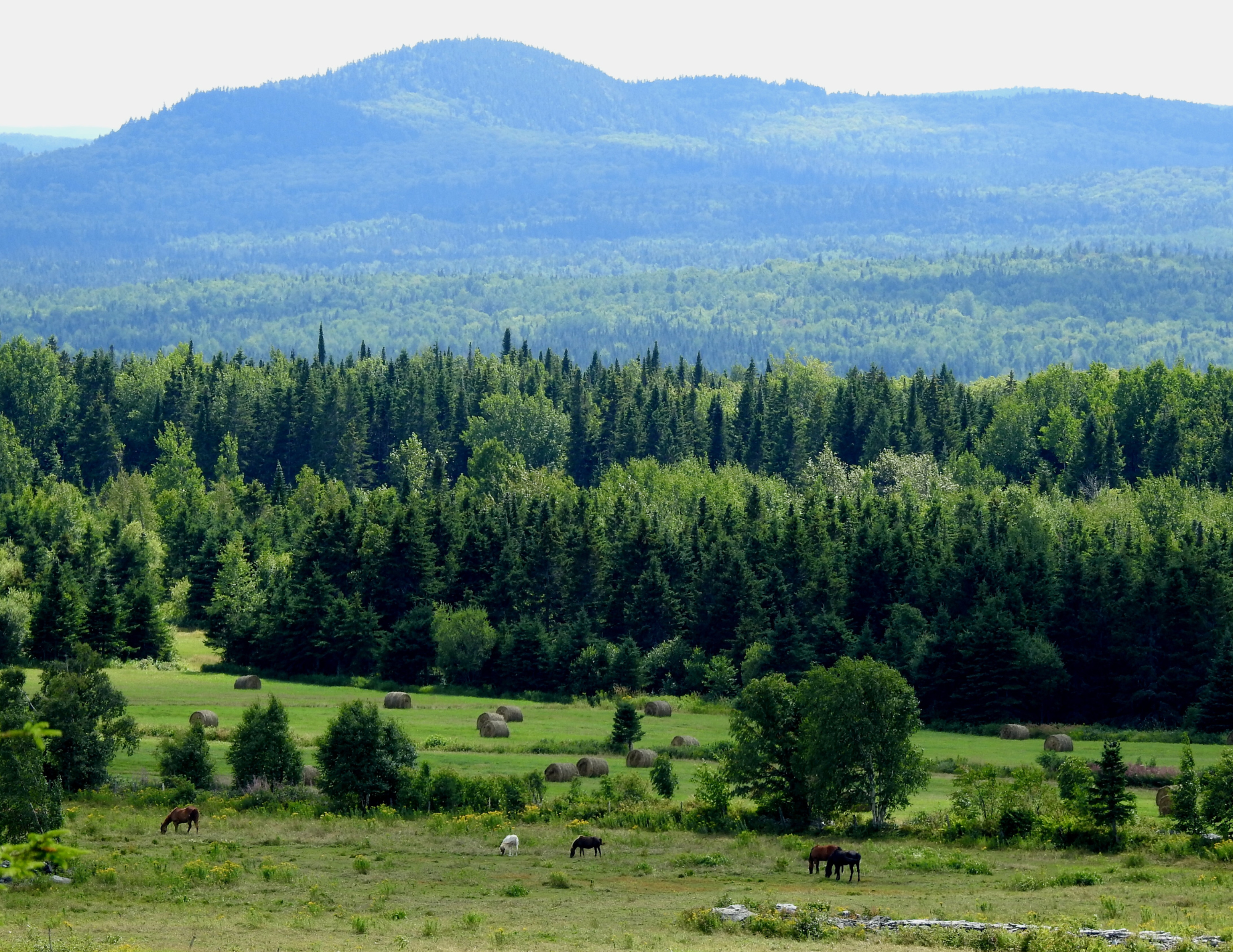
Chaudière-Appalaches is home to a highly educated English-speaking workforce that faces high job precarity, rural dispersion, and significant income gaps.
-
Laval
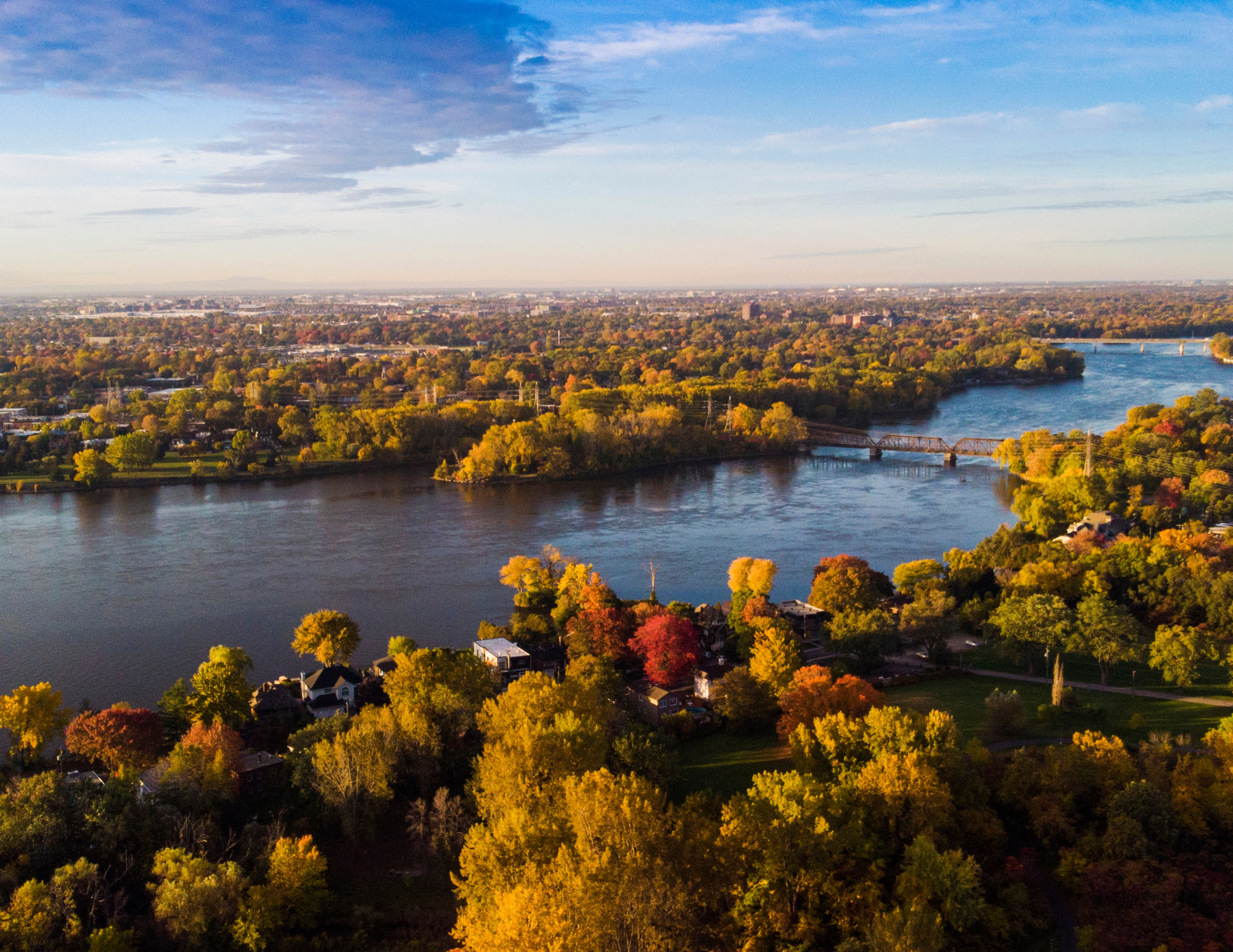
Laval is home to a highly active English-speaking workforce that faces elevated unemployment, steep youth precarity, and persistent income gaps. Unlocking this community's economic potential is vital to the region's overall prosperity.
-
Laurentides
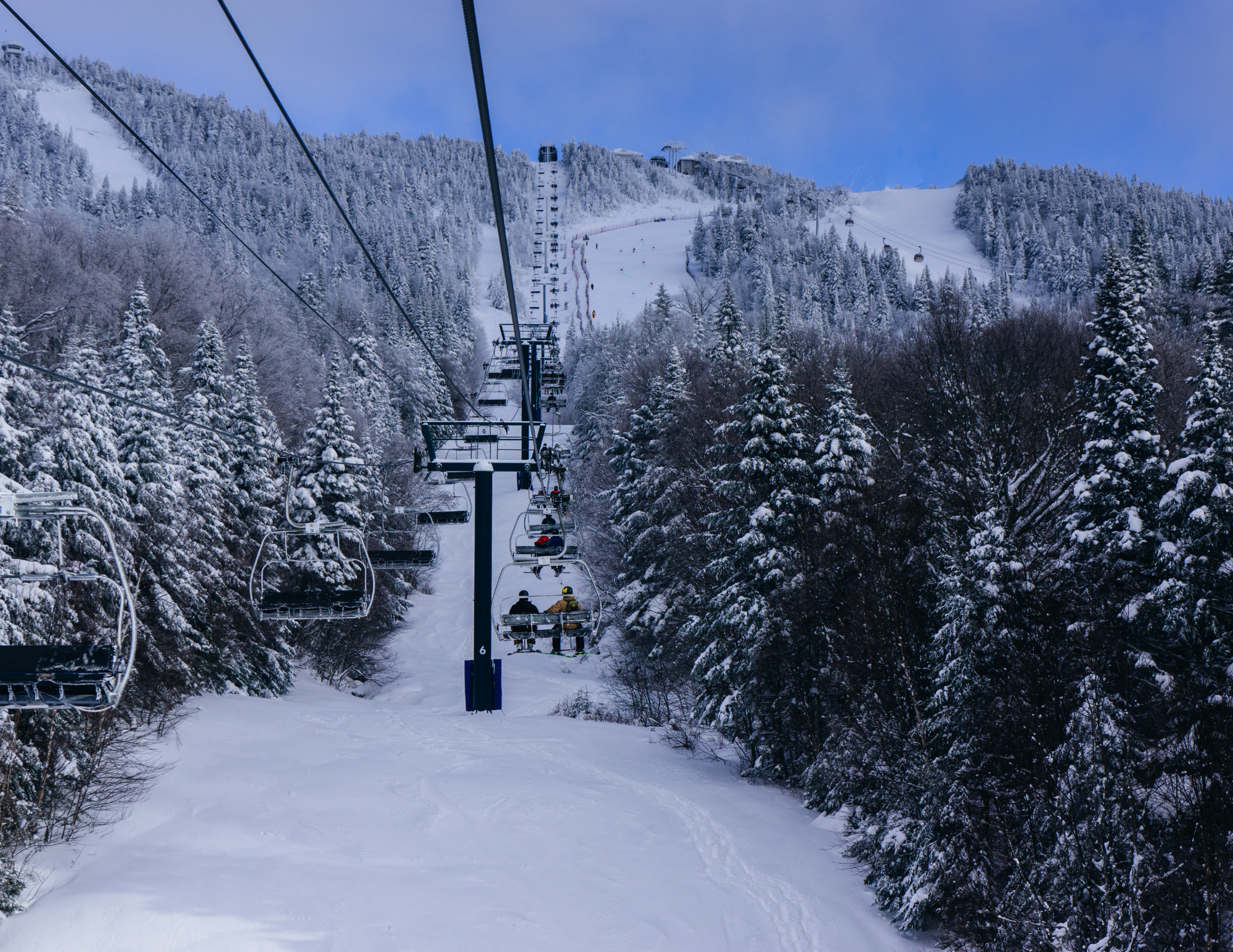
Laurentides is home to an active English-speaking workforce that faces higher unemployment, a $5,000 median income gap, and sharp youth precarity. Unlocking this community's economic potential is vital to the region's overall prosperity.
-
Lanaudière
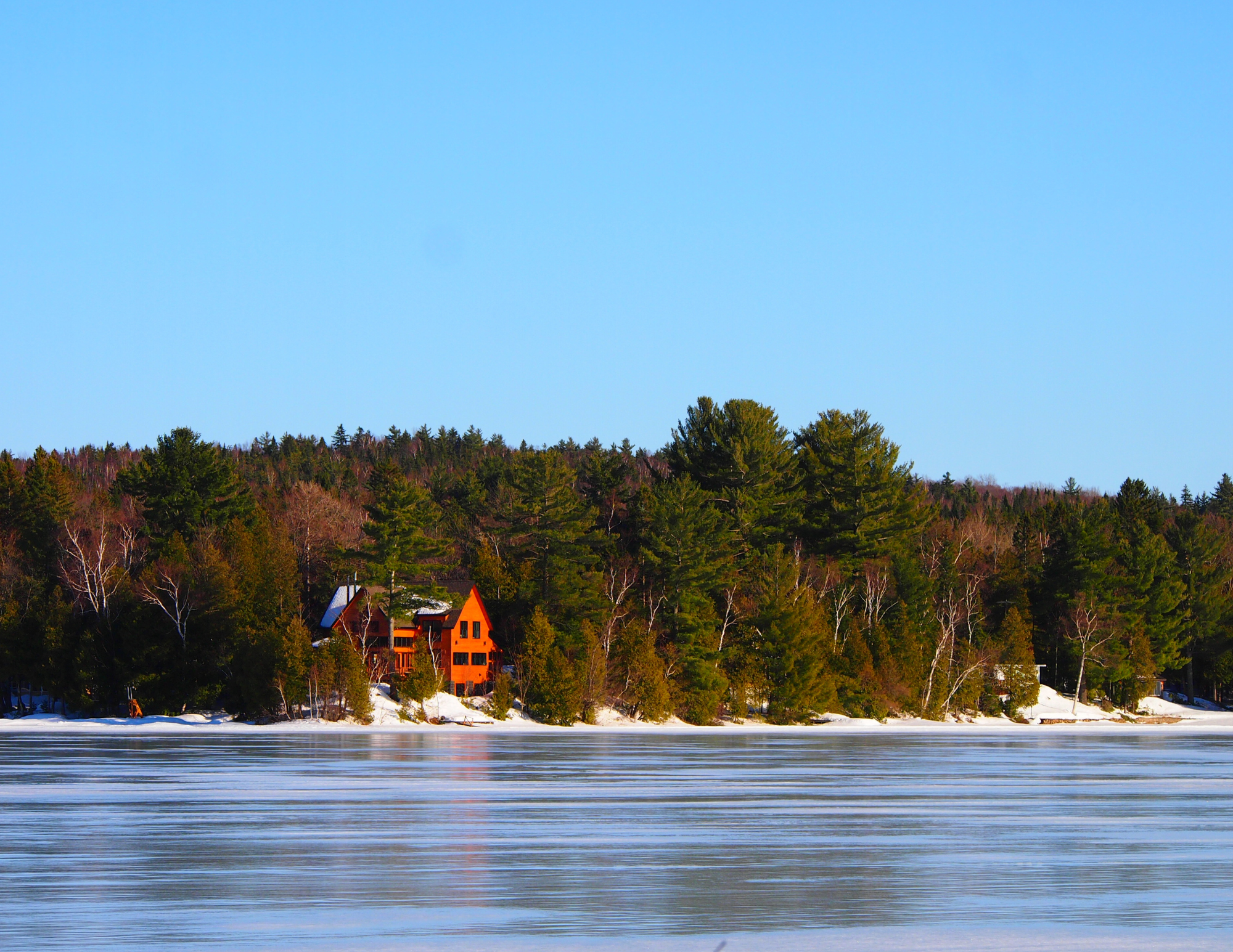
Lanaudière is home to a highly engaged English-speaking workforce facing elevated unemployment, youth labor market gaps, and regional brain drain. Unlocking this community's economic potential is vital to the region's overall prosperity.
-
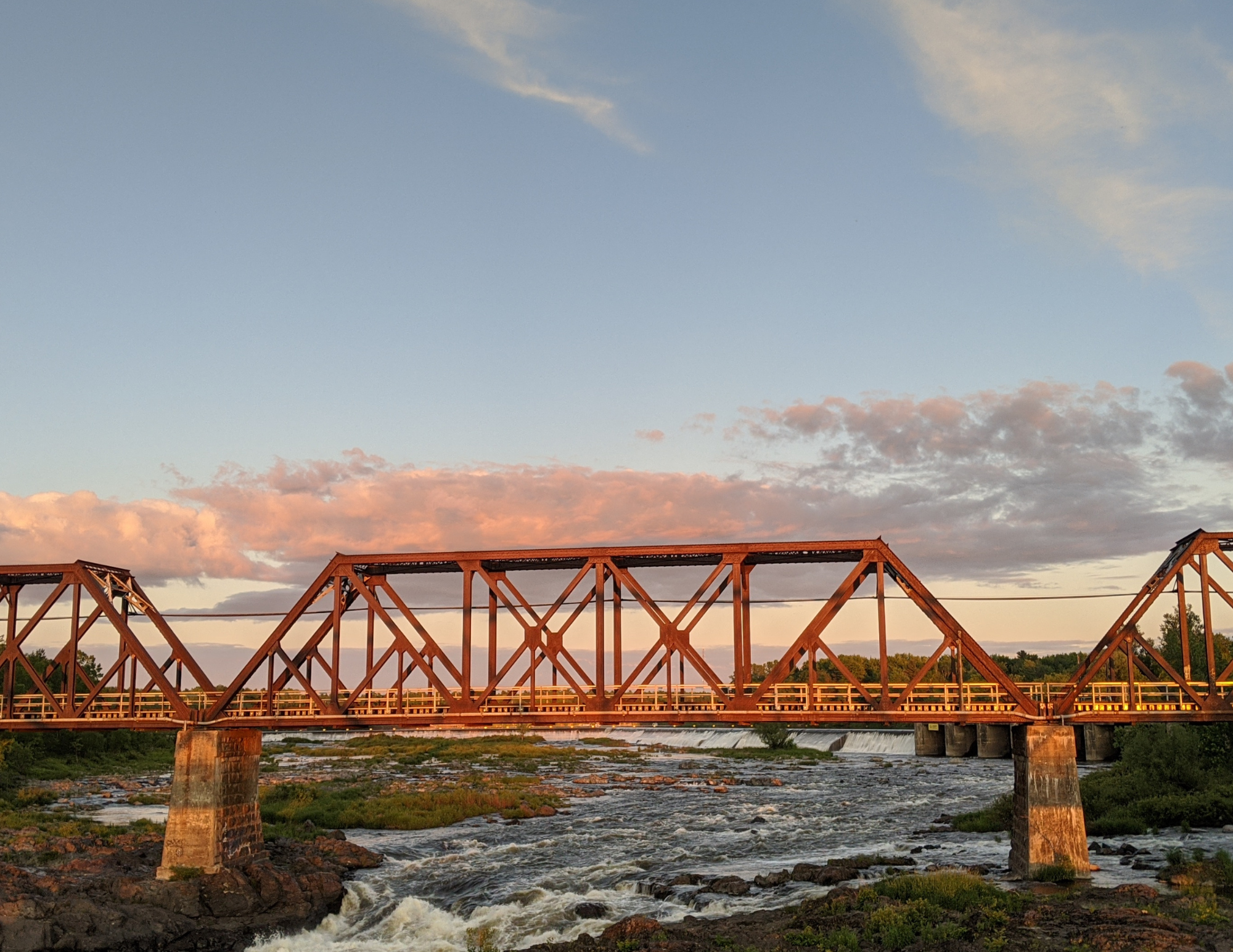
Centre-du-Québec
Centre-du-Québec is home to an active English-speaking workforce heavily concentrated in manufacturing that faces higher unemployment and institutional language barriers. Unlocking this community's economic potential is vital to the region's overall prosperity.